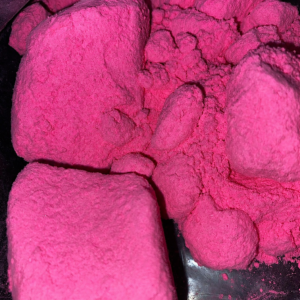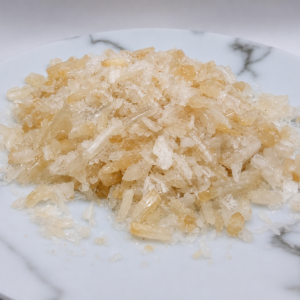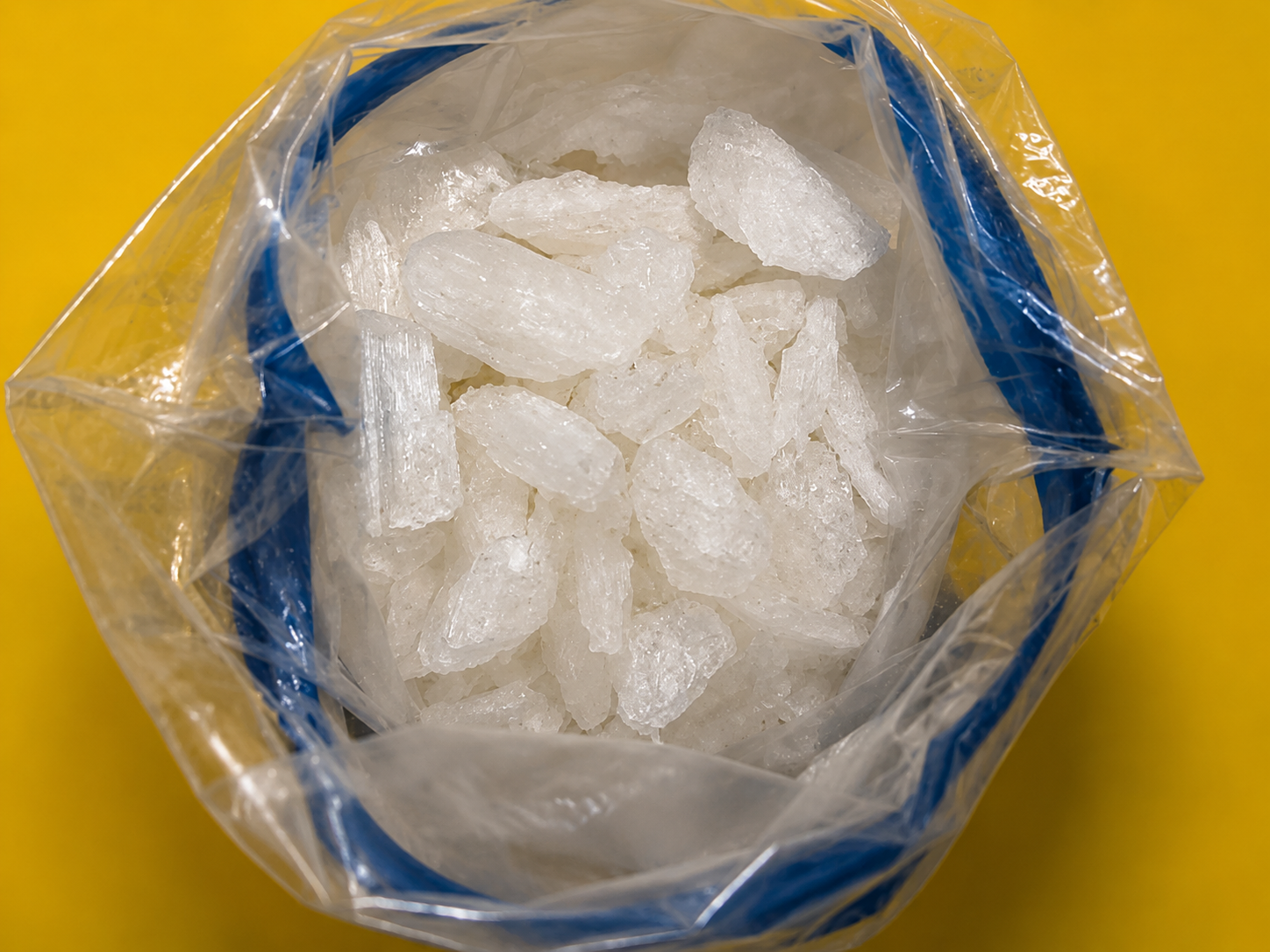
Crystal Meth (Methamphetamine) (frequently shorted to meth, also known as crystal meth)is an amphetamine-type stimulant (ATS). This means that it belongs to a specific subtype within the stimulant category of drugs.
Since the discovery of meth in the 1920s, the substance has a long and complex history. It has variably been available as a form of diet medication and antidepressant and was infamously used by ‘super soldiers’ on both sides of the Second World War.
Today, meth is an illegal substance. Whilst amphetamine (a drug with a very similar chemical structure to meth) is used to treat symptoms of sleep disorders such as narcolepsy and attention-deficit hyperactivity disorder (AHD), crystal meth is accessed solely through the licit drug trade.
Meth comes with a set of wide-ranging effects. During and shortly after taking meth, users of the drug may experience:
- Initial feelings of being very awake or alert
- Initial feelings of confidence following the rush of ‘feed good’ hormones
- A decrease in hunger levels
- Rapid breathing
- Increase in heartbeat and blood pressure
- Rise in body temperatureThese three elements pose a risk to the individual user and represent a potential public health issue when considered en-masse.
Crystal Meth Alternatives and Derivatives
Alternative Substrates
Crystal meth is produced through processes of ‘cooking’ ephedrine. Ephedrine itself is derived from a plant native to China, known as the ephedra plant. Ephedrine is a substrate of meth. This means that by interacting with ephedrine through specific chemical processes, meth can be made. Meth ‘cooking’ involves the combining of multiple chemicals (including a substrate) with a solvent. This is then heated until it achieves the desired crystalline structure.
Whilst, historically, meth is made with ephedrine, it has increasingly been produced with the use of alternative substrates. This is largely due to the limited access to ephedrine due to legal regulations and legislations aimed at slowing down meth production.
One of the most commonly used alternatives is pseudoephedrine. Pseudoephedrine is readily available in medicines used to treat coughs, colds and congestion. If treated in a similar way to ephedrine, it can also be used to create a form of crystal meth.

Diversification of the Market
Meth is increasingly available in different forms. It can be accessed in the form of tablets, as a smokable substance or in an injectable iteration.
Meth can be used in several different methods. It can be:
- Smoked
- Snorted
- Injected
- Swallowed
The preference for the method of use varies over time. At some points, specific styles of use can become popular among different demographics and in different areas of the world.
For instance, from the 1960s, meth tablets were orally ingested. They were used primarily by working class individuals and were considered ‘performance enhancing’ in the workplace.
From the 1990s, however, meth was smoked. In this period meth use was associated with ‘youths and students’ and was linked to recreational or ‘party use.’
Crystal meth, however, is linked to the middle and working classes. It is perceived to be a status symbol in this context, and the preferred method of use is through smoking, snorting or injecting.
This suggests that there is a risk of specific modes of meth use coming in and out of vogue. Each method comes with its own dangers; for example, injecting meth can lead to infections and blood-borne viruses developing, or even lead to damage to the veins.
With the popularity of using styles ebbing and flowing, it is not possible to identify which type of use will proliferate in the future. However, the choice of usage is concerning in and of itself.